

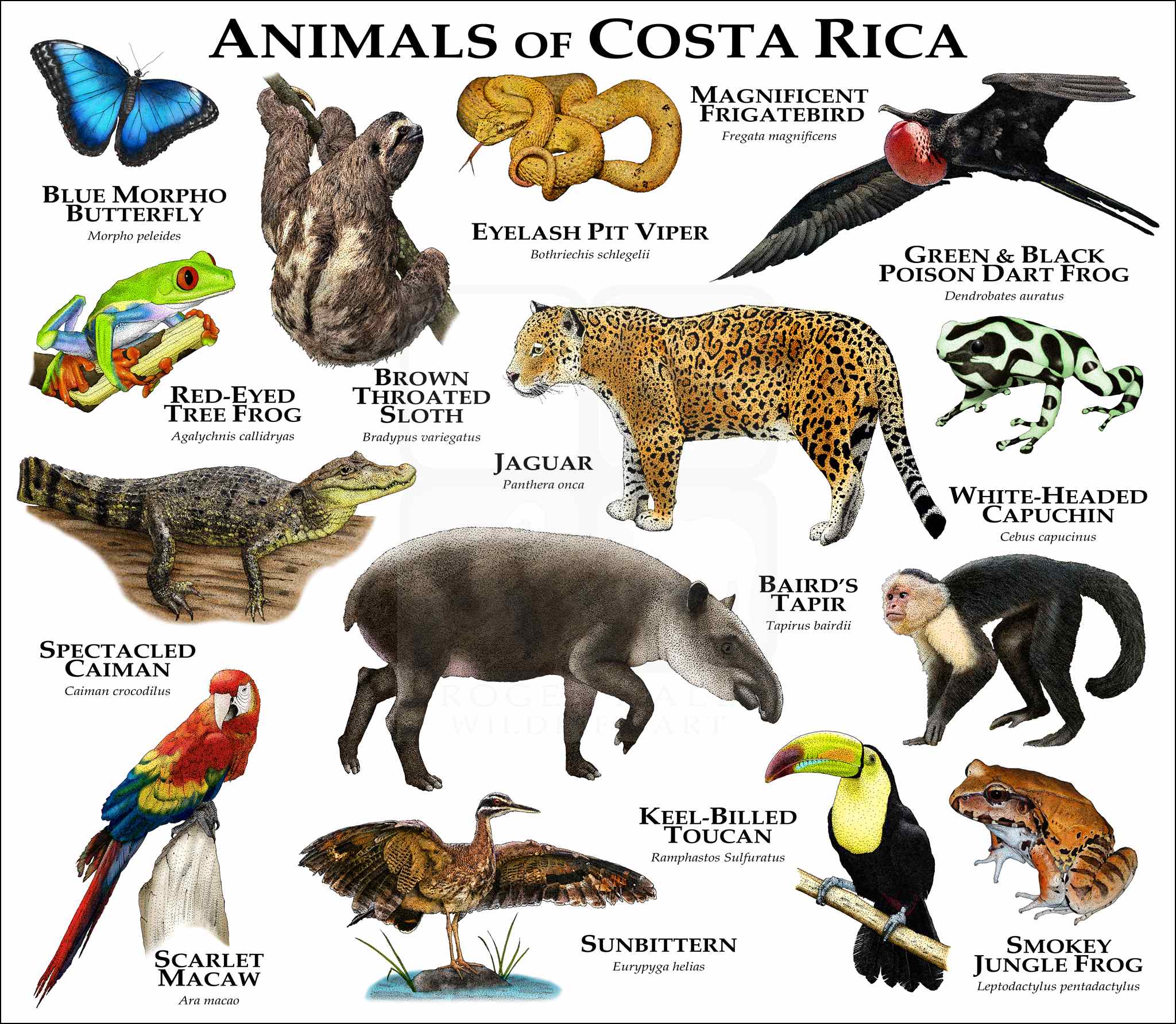
Costa Rica is one of the most biodiverse places on Earth—home to nearly 5% of the world’s species in a country smaller than West Virginia. From humpback whales breaching offshore to monkeys calling from the treetops, wildlife is part of daily life here. Whether you’re visiting for beaches, rainforests, volcanoes, or national parks, your trip will almost certainly include unforgettable wildlife encounters.
This guide highlights Costa Rica’s major wildlife experiences, the best times and places to see them, and expert tips for sustainable viewing—especially in Guanacaste and the North Pacific, where many visitors begin their journey.
Quick Wildlife Guide: What to See & When
- Humpback whales: December–March (Northern Hemisphere) and July–November (Southern Hemisphere)
- Sea turtles: Varies by species; Ostional arribadas peak August–November
- Birds: Year-round; highest activity May–November
- Sloths & monkeys: Year-round in national parks
Humpback Whales & Dolphins
Costa Rica is one of the few countries with two separate humpback whale migrations, creating one of the world’s longest whale-watching seasons. Northern Hemisphere whales visit during the dry season (December–March), while Southern Hemisphere whales migrate up from Antarctica during the green season (July–November).
Best places to see whales:
- Marino Ballena National Park (Uvita): Hosts the annual Whale Festival in September.
- Gulf of Papagayo (Guanacaste): Reliable sightings July–November.
Most tours cost $75–$120 per person for half-day excursions. Dolphins—especially spinner and spotted—are seen year-round and often accompany tour boats.
Responsible viewing tip: Choose licensed operators who follow SINAC guidelines and avoid approaching whales too closely.
Sea Turtles: Nesting Seasons & Arribadas
Five of the world’s seven sea turtle species nest along Costa Rica’s coasts. Witnessing a turtle lay eggs under the stars—or hatchlings racing toward the ocean—is one of Costa Rica’s most magical experiences.
Best Places for Sea Turtle Nesting
- Ostional Wildlife Refuge (Nicoya Peninsula): Famous for the arribadas—mass nesting events of thousands of olive ridley turtles. Peak: August–November.
- Las Baulas National Marine Park (Playa Grande): One of the world’s most important sites for endangered leatherbacks. Season: October–February.
- Tortuguero National Park (Caribbean): Green turtles July–October; hawksbill and loggerhead occasional.
Important: Turtle nesting areas are protected. Always visit with certified guides, avoid white lights, and never touch nesting turtles or hatchlings.
Birdwatching in Costa Rica
Costa Rica is a birding paradise with over 900 species—more than the U.S. and Canada combined. Even casual visitors can easily spot toucans, parrots, motmots, and hummingbirds without stepping far from main trails.
Iconic Bird Species & Where to Find Them
- Scarlet macaws: Carara National Park, Osa Peninsula, and increasingly in Guanacaste.
- Resplendent quetzals: Monteverde Cloud Forest and San Gerardo de Dota.
- Water birds: Palo Verde National Park (Guanacaste) for storks, herons, spoonbills, and more.
Birding tips: Go early in the morning, carry binoculars, and hire a guide for sightings of owls, manakins, or hard-to-spot forest species.
Planning to Visit National Parks?
Costa Rica’s best wildlife experiences happen inside its protected natural areas.
Before exploring, check out our full guide to the country’s top parks, including trails, distances, and what to expect:
Sloths, Monkeys & Other Mammals
Costa Rica is home to both two-toed and three-toed sloths, often seen lounging in lowland forests. In Guanacaste, howler monkeys are heard daily, and white-faced capuchins frequently visit park trails.
Other mammals you may encounter:
- Coatis: Common in Palo Verde and Rincon de la Vieja.
- Tapirs: Rare, but possible in Corcovado and northern wetlands.
- Crocodiles: Easily seen from the Tarcoles River bridge.
Note: Feeding wildlife—especially monkeys and raccoons—causes serious health and behavioral issues. Please admire them from a distance.
Wildlife Calendar: What to See by Month
Costa Rica’s wildlife shifts with the seasons. Here’s a month-by-month overview to help you plan your trip:
- January–February: Dry season, excellent for whales and Pacific turtle nesting.
- March–April: Hotter and drier; monkeys and iguanas congregate near water sources.
- May–June: Green season begins; bird activity rises; forests turn lush.
- July–August: Southern whale season begins; strong wildlife viewing in Guanacaste.
- September–October: Peak arribadas in Ostional; Caribbean coast is often sunnier.
- November: Green season tapers off; excellent balance of wildlife and fewer crowds.
Responsible Wildlife Tourism
Responsible viewing protects animals and ensures future generations can enjoy Costa Rica’s biodiversity. Keep these guidelines in mind:
- Choose guides with CST (Certification for Sustainable Tourism) or SINAC permits.
- Maintain a safe distance from all wildlife.
- Use red lights during turtle encounters.
- Never feed animals, including monkeys and raccoons.
- Follow ranger instructions and stay on marked trails.
Sample 5-Day Wildlife Itinerary (Guanacaste Focus)
If you’re staying near Liberia, Playas del Coco, or Playa Hermosa, here’s a sample itinerary for wildlife lovers:
- Day 1: Arrive in Liberia; sunset boat tour on the Gulf of Papagayo for dolphins.
- Day 2: Birdwatching at Palo Verde National Park.
- Day 3: Rincon de la Vieja hike—monkeys, waterfalls, volcanic mud pots.
- Day 4: Early-morning turtle tour at Ostional (seasonal).
- Day 5: Relax at the beach—look for iguanas, seabirds, and tide-pool life.
Best Wildlife Destinations Near Guanacaste
Many of Costa Rica’s most accessible wildlife hotspots are within a short drive of popular Guanacaste beach towns.
- Rincón de la Vieja National Park: Sloths, monkeys, coatis, volcanic features.
- Palo Verde National Park: Wetlands rich with birdlife and crocodiles.
- Santa Rosa National Park: Monkeys, deer, wild beaches, historic sites.
- Las Baulas National Marine Park: Leatherback turtles (seasonal), mangroves.
- Barra Honda National Park: Dry forest, caves, panoramic views.
For complete descriptions and distances, visit our National Parks of Costa Rica guide.
How to Prepare for Wildlife Watching
- Start early for the best sightings and cooler temperatures.
- Wear lightweight clothing and comfortable hiking shoes.
- Bring a reusable water bottle, sunscreen, insect repellent, and binoculars.
- Respect signs and avoid veering off established trails.
FAQs: Wildlife in Costa Rica
Where can I see sloths in Costa Rica?
Sloths are common in lowland rainforests, Monteverde, Manuel Antonio, and Caribbean parks. In Guanacaste, sightings are possible but less frequent than in wetter regions.
When is the best time for whale watching?
The best months are July–November (Southern Hemisphere whales) and December–March (Northern Hemisphere whales).
Can I see wildlife without visiting national parks?
Yes! Monkeys, iguanas, birds, and even dolphins are common near beaches and hotels. Parks simply offer higher density and more diverse experiences.
Are there dangerous animals in Costa Rica?
Venomous snakes, crocodiles, and large cats exist but rarely threaten visitors. Following ranger guidance and staying on trails minimizes risks.
What should I do if I see baby animals?
Observe from a distance. Many species leave their young temporarily—moving or “rescuing” them can cause harm.
Final Thoughts
Costa Rica’s wildlife is extraordinary, accessible, and unforgettable—whether you’re tracking sea turtles during an arribada, listening to howler monkeys echo across the forest, or watching humpback whales breach offshore. With responsible practices and a bit of planning, every trip becomes an opportunity to connect with nature in meaningful ways.