

Top 10 Costa Rica Food Favorites: A Guide to Traditional Dishes
Costa Rica Traditional Dishes: A Taste of Pura Vida
Costa Rican food is simple and fresh, rooted in family life and local farms. If you’re thinking about living here long-term, this guide pairs perfectly with our breakdown of everyday costs in Guanacaste.
Costa Rica Food: Casado – The Blue Plate SpecialEveryday staple
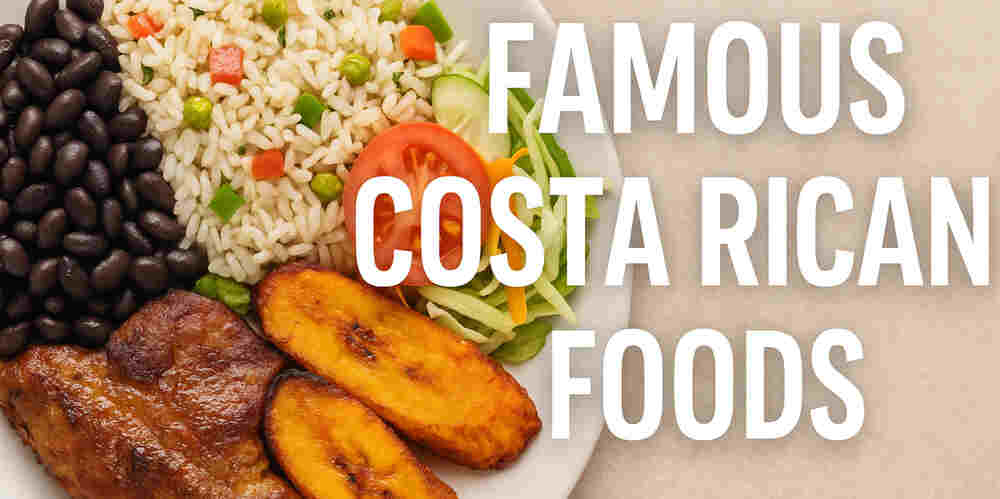
The word casado means “married,” and this plate “marries” rice, beans, a protein, salad, and sweet fried plantain. Origin stories point to workers asking for everything “married” onto one plate. You’ll see regional spins—fried fish on the Caribbean coast, chicken or beef in the Central Valley—and each soda adds its touch (a little pasta salad or a spoon of picadillo). Affordable, filling, and balanced, the casado is the lunch staple in beach towns like Playa Hermosa and Playas del Coco.
Ingredients
- 1 cup cooked white rice
- 1 cup cooked black beans (red beans appear in some regions)
- Protein: chicken, fish, beef, or pork
- 1 cup salad (lettuce, tomato, cabbage)
- 1 ripe plantain, fried
- Optional: small portion of pasta salad or picadillo
Quick Method
- Spoon rice and beans onto a plate.
- Add your protein (grilled, sautéed, or stewed).
- Finish with salad and fried plantain.
- Optional: add pasta salad or a scoop of picadillo.
FAQs
Q: How much does a casado cost?
A: Typically US$4–7 at local sodas, a bit more in tourist hubs. It’s one of the best-value meals in Costa Rica.
Q: Is casado healthy?
A: Yes—beans and rice provide energy and protein, salad adds freshness, and plantain delivers potassium and fiber. For lighter plates, choose grilled proteins and go easy on fried sides.
Gallo Pinto: The Spotted RoosterBreakfast icon
Costa Rica’s beloved breakfast mixes yesterday’s rice and beans with onion, bell pepper, cilantro, and a dash of Salsa Lizano. The name “spotted rooster” nods to the speckled look. Families guard their own versions; on the Caribbean side, some add coconut milk. Served with eggs, tortillas, and coffee, gallo pinto is less a recipe than a morning ritual for many new homeowners settling in Costa Rica.
Ingredients
- 2 cups cooked rice
- 1 cup cooked black beans with a little liquid
- 1 small onion, diced; 1 bell pepper, diced; 2 Tbsp cilantro
- 2 Tbsp Salsa Lizano; 1 Tbsp oil
Quick Method
- Sauté onion and bell pepper in oil until soft.
- Add rice, beans, and Salsa Lizano; stir to combine.
- Fold in cilantro and serve with eggs, tortillas, and plantains.
FAQs
Q: Gallo pinto vs. casado?
A: Gallo pinto is a breakfast stir-fry of rice and beans together. Casado is a complete lunch plate with components served side by side.
Q: Is it vegetarian?
A: Naturally—unless you add eggs or cheese on the side. It’s easily vegan.
Picadillo: Vegetables and ChayoteLight & versatile
Picadillo turns finely chopped vegetables into a comforting side—often chayote squash, sometimes potatoes or green papaya. It’s quick, affordable, and part of everyday home cooking. Chayote versions are especially light and nutrient-dense. Weekly ferias (farmers’ markets) make it easy to keep a realistic grocery budget—and if you’re new here, see our quick USD ↔ CRC guide for prices at a glance.
Ingredients
- 2 chayotes (or potatoes), finely chopped
- 1 onion, diced; 2 garlic cloves, minced
- Optional: ½ lb ground beef
- 2 Tbsp cilantro; 1 Tbsp oil; salt & pepper
Quick Method
- Sauté onion and garlic in oil until fragrant.
- Add chayote (and beef, if using); cook until tender.
- Season; finish with cilantro. Serve with tortillas or alongside a casado.
FAQs
Q: What is chayote?
A: A mild Central American squash—crisp when raw, tender when cooked—high in fiber and vitamin C.
Q: Is picadillo vegetarian?
A: Most versions are; the beef is optional and easy to omit.
Olla de Carne: The Hearty StewSunday tradition
Literally “pot of meat,” this weekend staple simmers beef with yucca, potatoes, carrots, corn, chayote, and plantain. It’s the taste of family gatherings—unhurried, abundant, and meant to share—served in deep bowls with rice on the side. Hosting big Sunday olla de carne? If you’re weighing space, timelines, and budgets, start with our owning-property guide or compare condo living vs. single-family homes.
Ingredients
- 1 lb beef chunks (with bone)
- Yucca, potatoes, carrots, corn, plantain, chayote (chunked)
- ½ onion, diced; 2 garlic cloves; 8 cups water
- Salt & pepper
Quick Method
- Simmer beef with onion, garlic, and water for ~1 hour.
- Add yucca, carrots, potatoes, and corn; cook until tender.
- Add plantain and chayote; simmer 15 minutes more. Season and serve with rice.
FAQs
Q: Is this Costa Rica’s national dish?
A: Many call gallo pinto the national dish; olla de carne is equally iconic as the weekend family stew.
Q: How is it served?
A: In generous bowls with rice; some add avocado, tortillas, or a splash of hot sauce.
Chifrijo: Costa Rica’s Iconic Bar SnackBoca favorite
Chifrijo is one of Costa Rica’s most beloved small plates—layered rice, stewed beans, crispy pork chicharrones, fresh pico de gallo, and a drizzle of Lizano or hot sauce. The name fuses chicharrón (pork) and frijol (bean). It’s a social dish, perfect for sharing with a cold Imperial and friends.
Ingredients
- 1 cup cooked white rice
- 1 cup black beans, drained
- ½ lb chicharrones (crispy pork)
- 1 tomato, diced; ¼ onion, finely diced; fresh cilantro, chopped
- Salt to taste
- Optional: lime juice; Lizano or hot sauce
Quick Method
- Make pico de gallo: mix tomato, onion, cilantro, salt, and a squeeze of lime.
- Layer rice in a bowl; spoon beans on top.
- Add the crispy pork chicharrones.
- Finish with pico and a drizzle of Lizano or hot sauce.
FAQs
Q: Where can you find chifrijo?
A: Nearly every bar and many casual restaurants serve it as a classic boca (bar snack).
Q: Snack or main?
A: Traditionally a shared snack, but the rice, beans, and pork make it hearty enough for a light meal.
Plantains: Sweet, Savory, and EverywhereAlways on the table
Plantains aren’t dessert bananas—they’re starchier and meant to be cooked. Ripe fruit becomes caramelized maduros; green plantains turn into crispy tostones or chips. From street carts to family tables, plantains are Costa Rica’s dependable side and snack.
Ingredients
- 2 ripe plantains (for maduros)
- 2 green plantains (for tostones)
- Oil for frying; salt
Quick Method
- Maduros: Slice diagonally; fry until golden and caramelized.
- Tostones: Slice; fry lightly; smash flat; fry again until crisp. Salt to taste.
- Serve as a side, snack, or part of a casado.
FAQs
Q: Are plantains bananas?
A: They’re close relatives, but plantains are starchier and typically cooked, not eaten raw.
Q: Healthy?
A: Naturally rich in potassium and fiber; baking or grilling keeps them lighter than deep-frying.
Other Costa Rican Favorites (to round out your “Top 10”)
- Arroz con Pollo: Party classic—rice and shredded chicken seasoned with annatto, peppers, and herbs.
- Tamales Navideños: Holiday tradition—masa and savory fillings wrapped in banana leaves and steamed.
- Ceviche Tico: Fresh white fish “cooked” in citrus with onion, cilantro, and bell pepper; served with soda crackers.
- Tres Leches: Iconic dessert—sponge cake soaked in three milks, topped with whipped cream and cinnamon.
Vegetarian & Vegan Options
Many staples are naturally plant-forward: gallo pinto, picadillos, salads, and fruit. Ask for grilled proteins, extra veggies, and beans; swap out dairy sides if needed. Most sodas happily accommodate simple tweaks.
Food Safety & Water
Tap water is safe to drink across most of Costa Rica, and established eateries maintain good standards. Follow common sense: choose popular places, enjoy seafood fresh, and request meats cooked through if you prefer.
Costa Rican Cuisine & Environment
Local markets, short supply chains, and seasonal produce keep the food scene sustainable. Choosing neighborhood sodas and market fruit supports farmers and keeps your meals fresh and low-waste—very pura vida.
Why These Dishes Matter
These plates aren’t just recipes; they’re everyday Costa Rica—practical, generous, and tied to the land. From the humble casado to a Sunday olla de carne, each dish tells a story of family, seasonality, and place.