

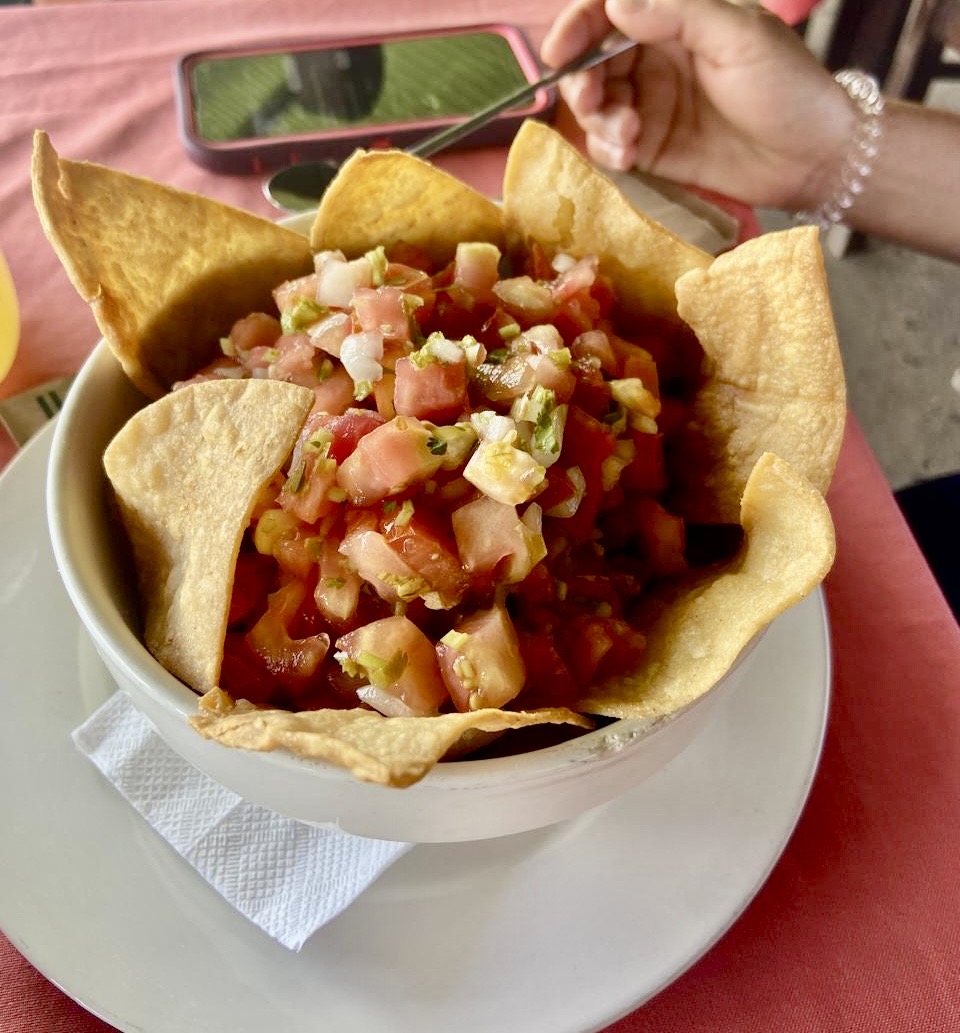
Costa Rican cuisine is simple, fresh, and built on traditions that trace back through generations. Ingredients come from nearby farms, coastal waters, and neighborhood markets—so when you taste Costa Rican food, you’re tasting the country’s culture, families, and everyday life. Whether you’re visiting or settling in long-term, understanding traditional Costa Rican dishes offers a deeper appreciation for pura vida living.
What Defines Traditional Costa Rican Cuisine?
Costa Rican food is built on three pillars: fresh ingredients, balanced plates, and local simplicity. Dishes rely on staples like rice, beans, plantains, tortillas, and locally grown vegetables. Proteins vary by region—fish along the coasts, chicken and beef in the Central Valley, and hearty stews in mountainous areas.
Core Ingredients You’ll Find Everywhere
- Rice and beans: The foundation of most meals.
- Plantains: Fried, baked, mashed, or turned into chips.
- Cilantro, onion, garlic, peppers: The aromatic base of Costa Rican cooking.
- Yucca, chayote, carrot, potato: Common in soups and stews.
- Salsa Lizano: A tangy, slightly sweet condiment used across many classics.
Traditional Costa Rican dishes aren’t about heavy spices or complicated techniques—they focus on comfort, balance, and a strong connection to the land.
Classic Traditional Dishes of Costa Rica
Casado: The Everyday Lunch Plate
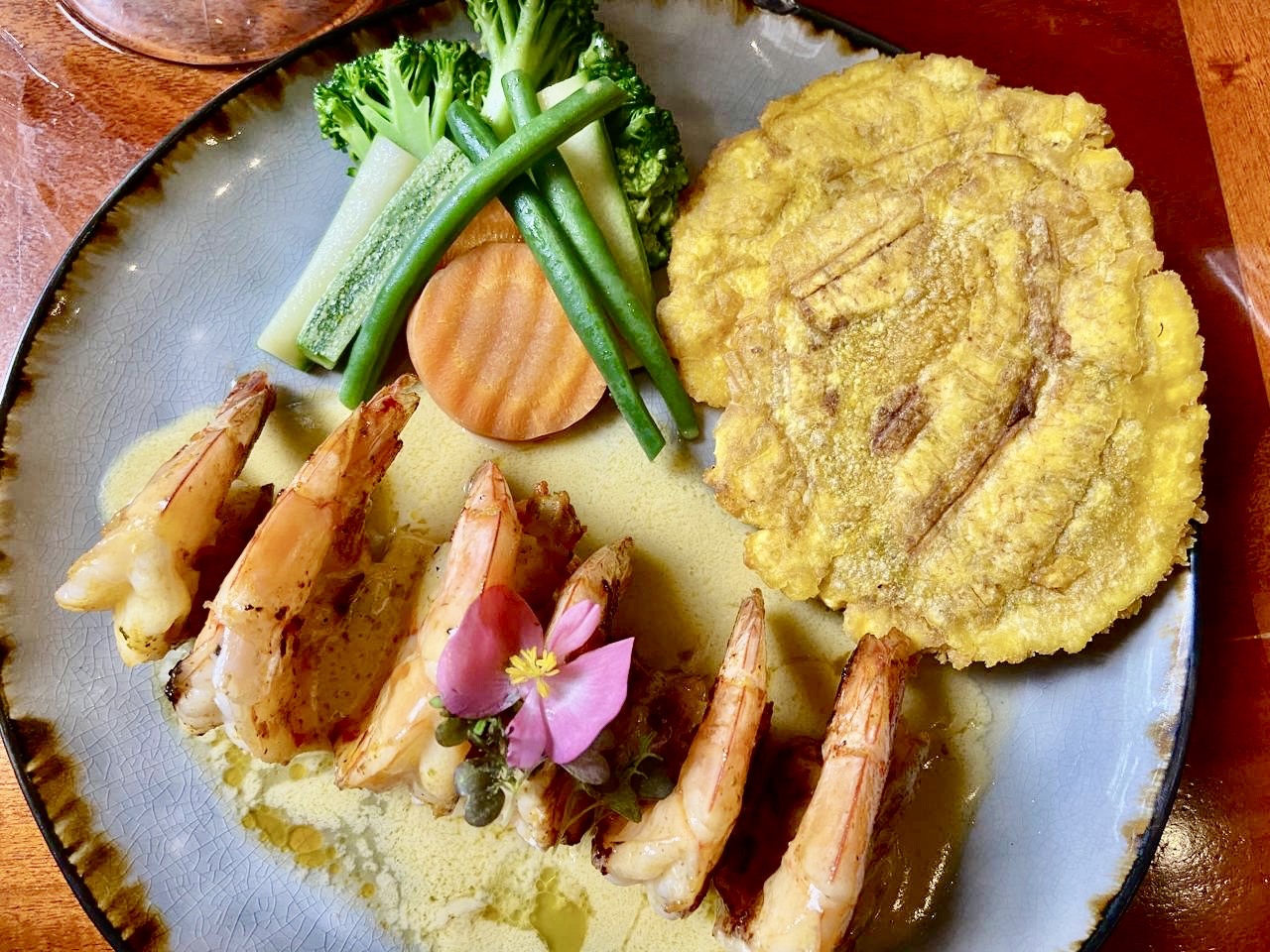
The iconic casado combines rice, beans, a protein, salad, and sweet fried plantain. Variations reflect the region—grilled fish in coastal towns, beef or chicken in the Central Valley. It’s one of the best-value meals in Costa Rica and a staple at sodas (local diners).
Gallo Pinto: Costa Rica’s Breakfast Ritual
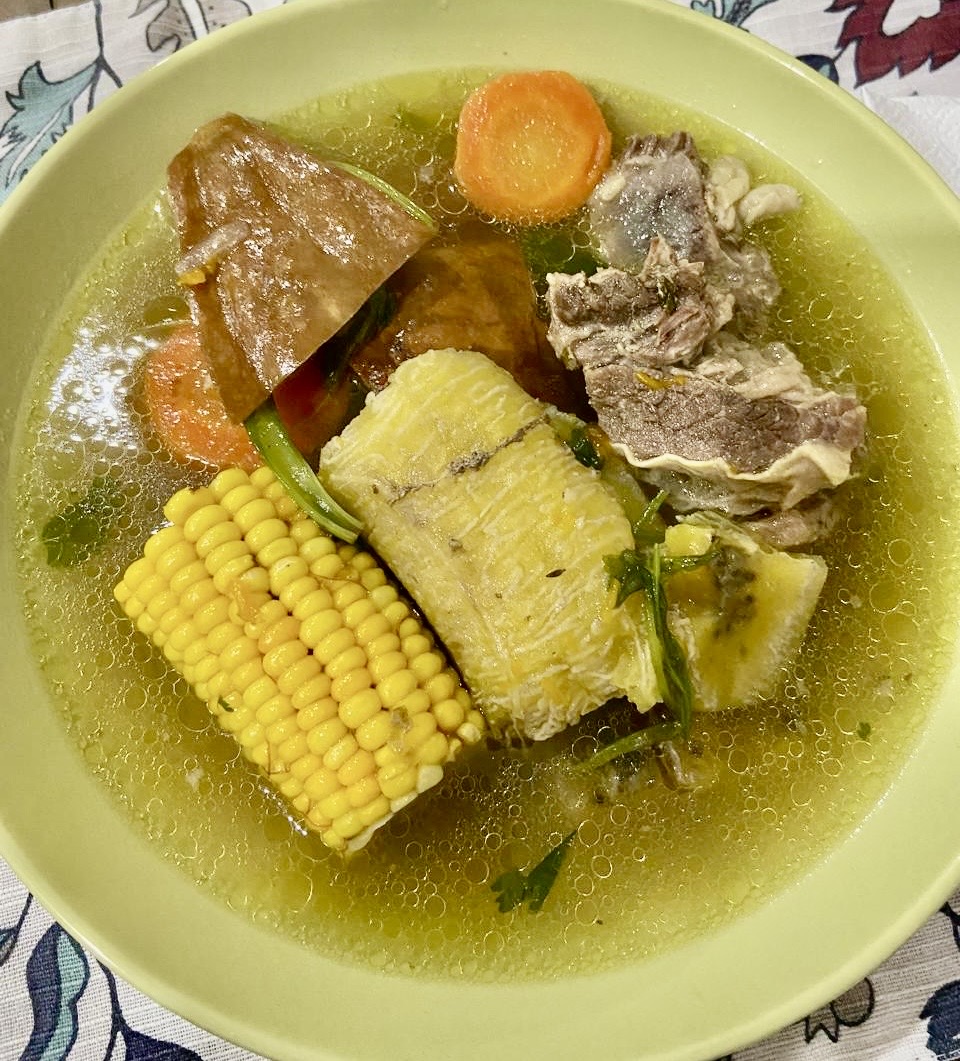
This beloved breakfast blends rice and beans with onion, bell pepper, cilantro, and Salsa Lizano. Served with eggs, tortillas, and coffee, gallo pinto is the morning heartbeat of Costa Rican households. Caribbean versions often include coconut milk.
Olla de Carne: The Sunday Family Stew
A slow-simmered pot of beef, yucca, potatoes, corn, chayote, and plantains served with rice on the side. Many families prepare olla de carne on weekends—always in generous portions and always meant to be shared.
Picadillos: Everyday Vegetable Sides
Picadillos feature finely chopped vegetables like chayote, potatoes, or green papaya sautéed with onion, garlic, and cilantro. They’re nutritious, affordable, and commonly served alongside lunch and dinner plates.
Chifrijo: The Ultimate Bar Snack
A layered bowl of rice, beans, crispy chicharrón, and pico de gallo, drizzled with Lizano or hot sauce. Found in bars across the country, chifrijo is a must-try boca when enjoying a cold beer with friends.
Sopa & Traditional Soups
- Sopa Negra: Black bean soup with egg and cilantro.
- Crema de Pejibaye: A creamy soup made from peach palm fruit.
- Sopa de Mariscos: Coastal seafood soup with fresh herbs and aromatics.
Street Food & Festival Favorites
Chorreadas
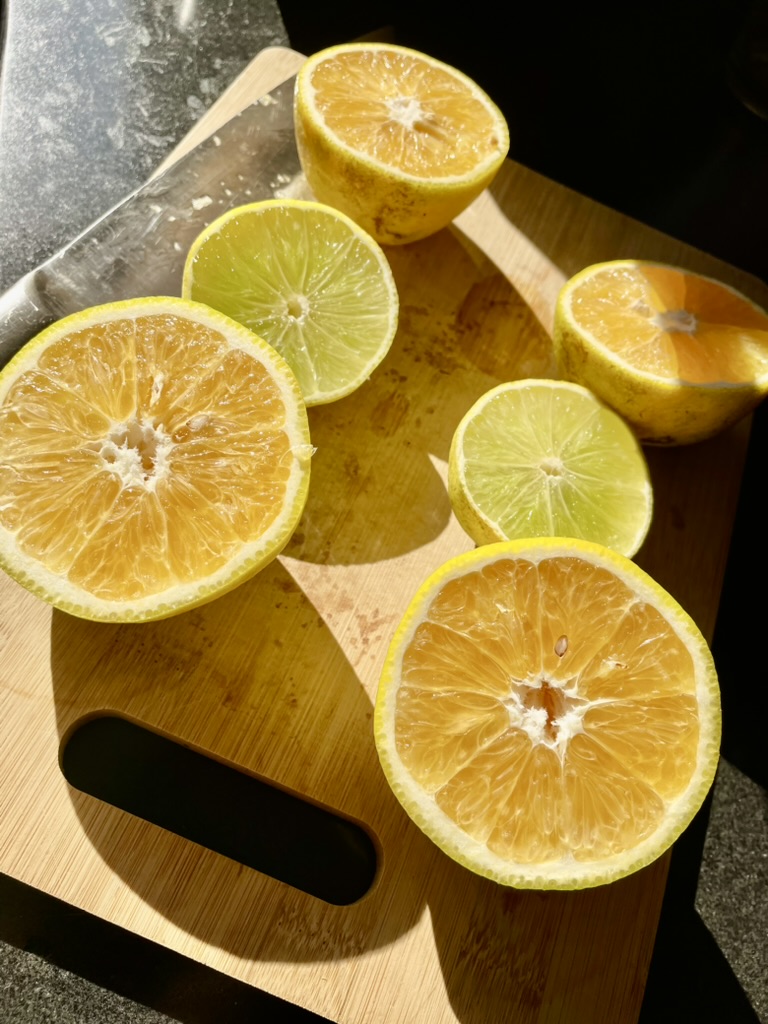
Sweet or savory corn pancakes cooked fresh on a griddle and served with natilla (sour cream). Common at roadside stands and local fairs.
Vigorón
A refreshing combination of cabbage salad, boiled yucca, and crispy pork—popular in markets and coastal towns.
Patacones
Twice-fried green plantains seasoned with salt and served with refried beans, guacamole, or ceviche.
Copos
The Costa Rican snow cone: shaved ice topped with flavored syrup, powdered milk, and sometimes condensed milk—perfect for hot Guanacaste afternoons.
Regional Flavors Across Costa Rica
Guanacaste
- Tamales Guanacastecos: Larger and starchier than Central Valley versions.
- Atol de Elote: A warm, sweet corn drink.
- Tortillas palmeadas: Thick, hand-shaped corn tortillas.
Caribbean Coast
- Rice & Beans: Cooked in coconut milk.
- Rondón: A seafood stew with peppers and coconut.
- Fried fish: Seasoned with herbs and Scotch bonnet peppers.
Central Valley
- Olla de carne
- Picadillos of chayote and green papaya
- Rosquillas and bizcochos rooted in Nicoya traditions
Traditional Costa Rican Desserts
- Tres Leches: Sponge cake soaked in three milks.
- Arroz con Leche: Cinnamon-infused rice pudding.
- Mazamorra: Purple corn pudding popular at festivals.
- Pejibaye Cake: A unique dessert made with peach palm fruit.
Traditional Drinks in Costa Rica
Refrescos Naturales
Fresh fruit blended with water or milk—mango, guanábana, cas, pineapple, and more.
Coffee
Grown in volcanic soil and served everywhere from homes to sodas. Costa Rica’s coffee culture is social, simple, and deeply rooted in tradition.
Agua Dulce
A comforting drink made from tapa de dulce (unrefined cane sugar) dissolved in hot water or milk.
Where to Try Traditional Costa Rican Food
- Sodas: Local diners serving affordable casados, soups, and picadillos.
- Ferias del Agricultor: Farmers markets with fresh fruit, cheese, and homemade snacks.
- Fiestas Patronales: Town festivals featuring street food and traditional dishes.
Visitors and new homeowners in Guanacaste often find sodas offer the most authentic, budget-friendly meals—especially helpful when adjusting to daily costs. For deeper context, see our guide to The True Cost of Living in Costa Rica.
Vegetarian & Vegan Traditions
Many Costa Rican dishes are naturally plant-forward. Gallo pinto, picadillos, salads, tortillas, beans, rice, and plantain dishes can easily be vegetarian or vegan, and sodas are typically happy to make simple swaps.
Food Safety & Drinking Water
Tap water is safe to drink in most regions, including Guanacaste. Established sodas and restaurants maintain solid hygiene standards. As always, choose busy eateries and enjoy seafood fresh.
Cuisine, Sustainability & Environment
Costa Rican cuisine is inherently sustainable thanks to short supply chains, abundant local produce, and minimal processed ingredients. Supporting neighborhood sodas and mercados helps local farmers and reduces environmental impact—an easy way to live pura vida through food.
Thinking of Making Costa Rica Home?
Food is just one part of daily life in Costa Rica. If you’re exploring long-term living or investing, start with the essentials:
Why Traditional Cuisine Matters
These dishes aren’t just recipes—they’re everyday Costa Rican life. From casados at neighborhood sodas to Sunday olla de carne with family, local food reflects community, seasonality, and pura vida values. For travelers and expats alike, food is one of the most meaningful ways to connect with Costa Rican culture.