

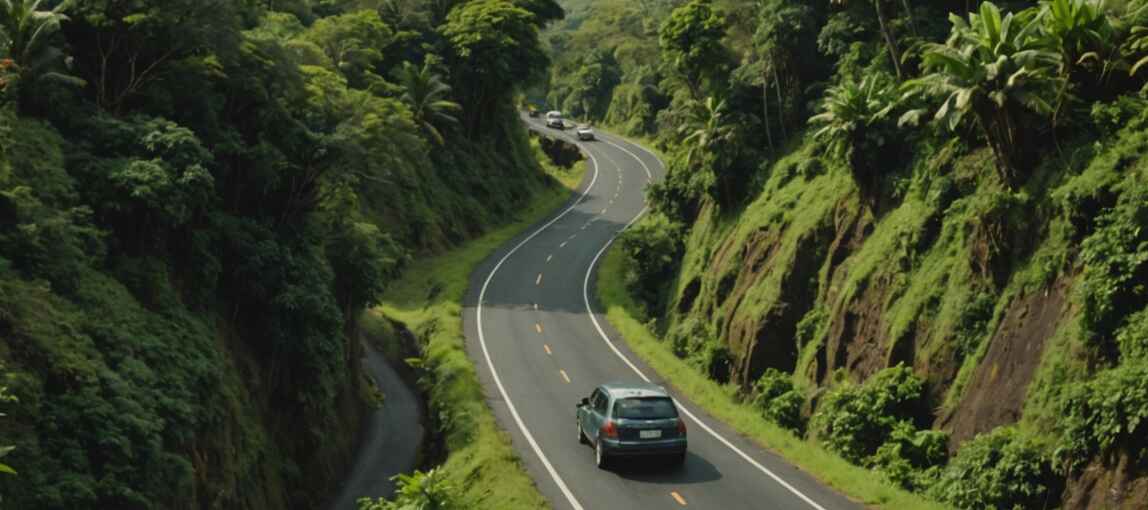
Driving in Costa Rica as an expat is an adventure—and sometimes a test of patience. The learning curve includes everything from license rules and car-buying tips to local driving habits, inspections, and navigating rural roads. While the experience may feel chaotic at first, driving offers unmatched convenience whether you live in Guanacaste, San José, or the Central Valley.
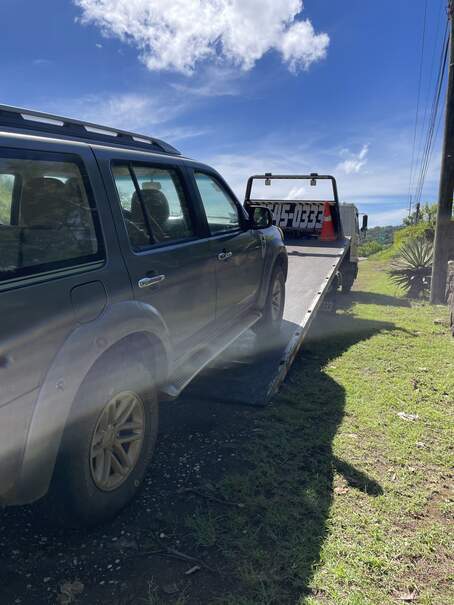
This guide explains everything long-term visitors and new residents need to know: homologating your driver’s license, buying a car, navigating road culture, dealing with inspections, and what to expect from Costa Rica’s push toward electric vehicles.
Driving in Costa Rica: What Expats Should Expect
Driving in Costa Rica is different from driving in North America or Europe. Road conditions vary widely, signage can be sparse, and local driving habits sometimes defy logic—but it’s manageable with preparation.
What’s Different About Driving Here?
- Potholes come with personality. Roads can shift quickly between smooth pavement and rough patches.
- Passing culture is assertive. Drivers may pass on solid lines or blind corners—stay alert.
- Motorcycles weave through traffic. Always check mirrors before changing lanes.
- Pedestrians walk on the road. Especially at night, often wearing dark clothing.
- Hazard lights have creative meaning. They can mean “I’m stopping,” “I’m parking,” or “there’s trouble ahead.”
Despite the quirks, tens of thousands of expats drive safely every day. Once you adjust, it becomes second nature.
Can Expats Drive With a Foreign License?
Yes—as long as your passport entry stamp is valid. Costa Rica allows visitors and new residents to drive with their home-country license for up to 180 days.
To drive legally as an expat, you must carry:
- Your valid foreign driver’s license
- Your passport (or a copy showing the entry stamp)
Once you obtain residency—or if you plan to stay long-term—you must homologate (validate) your foreign license to receive a Costa Rican license.
How to Get Your Costa Rica Driver’s License (Homologation)
If your residency is approved or you plan to stay beyond your 180-day entry period, you’ll need a Costa Rican license. The process is called homologación and allows you to convert your foreign license without taking Costa Rica’s written or practical driving test.
How to Book the Appointment
You must schedule an appointment through the MOPT/COSEVI website. Appointments open slowly and at irregular intervals, typically between 7:45 a.m. and 8:00 a.m. on Thursdays. It may take a few attempts to secure a slot.
Documents You Must Bring
You will be turned away if even one item is missing, so prepare carefully:
- Your current, valid foreign driver’s license (in good condition)
- Two copies of both sides of your license
- Your residency card (DIMEX) or valid work permit
- Two copies of your residency card or work permit
- Your valid passport with proof of legal entry and at least 91 days in Costa Rica
- Copies of passport ID page and latest entry stamp
- A completed medical exam form from a certified Costa Rican doctor
- Payment of the licensing fee: typically ₡5,000–₡10,000 (≈$10–20 USD)
Tip: Complete the medical exam a day or two before your appointment. Clinics are located near most COSEVI centers, including one directly across from the Liberia office.
How Long Does It Take?
Once your documents are reviewed, your photo is taken and your new license is issued—usually within 30–60 minutes. Delays can happen, but the process is much smoother today than in previous years.
Where You Can Homologate Your License
- La Uruca (San José)
- Alajuela
- Nicoya
- Liberia
- Puntarenas
- Limon
- San Ramón
- San Carlos
- Perez Zeledón
If your residency card hasn’t been issued yet, you must exit and re-enter the country to renew your 180-day foreign license validity. Immigration and transit laws don’t currently align—and expats often get caught in that gap.
Buying a Car in Costa Rica
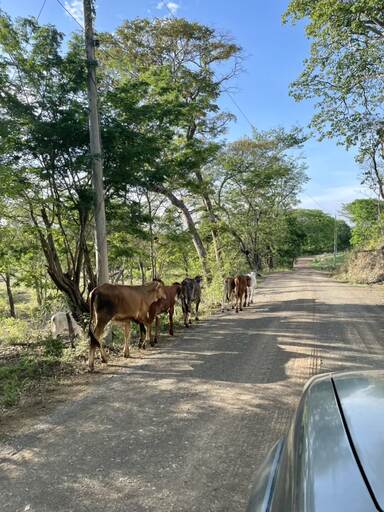
Many expats choose to buy a vehicle once they settle in. Public transportation varies by region, and in Guanacaste, a personal vehicle makes daily life much easier.
Popular Car Brands in Costa Rica
- Toyota
- Hyundai
- Suzuki
- Mitsubishi
There are several Costa Rican favorites never sold in the U.S., such as the Toyota Fortuner, Daihatsu Terios, and Mitsubishi Montero Sport Turbo Diesel. These are built for rougher roads and are incredibly durable.
Where to Shop for Used Cars
- CRAutos.com: The most popular nationwide marketplace
- Craigslist Costa Rica: Often features expat-owned vehicles
- Encuentra24: General classifieds with vehicle listings
- Facebook Marketplace: Heavy local usage
- Grecia (Alajuela): Known for rows of used car dealerships
Used cars imported from the U.S. are common and often in better condition (thanks to flatter roads). You can check VIN history on Carfax or similar services before buying.
Buying From a Private Owner
Buying privately can lead to better prices—but requires caution. Always:
- Ask for full service and ownership records
- Verify marchamo (annual registration) is paid
- Verify DEKRA (formerly RITEVE) inspection sticker is current
- Have a trusted mechanic inspect the vehicle
Pro Tip: Never buy a used car in Costa Rica without a mechanic’s inspection, even if it looks pristine.
Legal Requirements for Car Ownership
Marchamo (Annual Registration Fee)
Marchamo is the combination of mandatory insurance, property tax on the vehicle, and various government fees. It must be paid between November 1 and December 31 each year.
DEKRA Vehicle Inspection (Formerly RITEVE)
Since 2022, DEKRA now performs Costa Rica’s nationwide annual vehicle inspections.
- Vehicles are inspected once per year
- The due month corresponds to the last digit of the license plate
- Expect checks of brakes, lights, emissions, suspension, and safety equipment
If your vehicle fails, you’ll be asked to fix the issues and return for a re-test.
Transfer of Ownership
Buying a car requires a Costa Rican lawyer (notary) to process the title transfer. They will:
- Verify no liens or fines exist
- Prepare and submit the bill of sale
- Register the transfer with the National Registry
Fees are set by law and based on the value of the vehicle. Typically the buyer pays this cost.
Thinking About Long-Term Life in Costa Rica?
Check out these guides for deeper insight into expat life:
Electric Cars in Costa Rica
Costa Rica is steadily moving toward electric mobility. Although the country runs on 90% renewable energy, transportation still produces significant emissions—especially in the Central Valley. To reduce these emissions, Costa Rica passed the Electric Transportation Law in 2017.
Incentives for Electric Vehicles
- 100% tax exemption on vehicles under $30,000
- Reduced taxes for vehicles above that price
- Ten-year exemption on parts and chargers
- No “plate restriction” rules for electric vehicles
- Free parking in “blue” designated spaces (availability varies)
Electric vehicles are increasingly common, especially in urban areas. The country now has over 240+ charging stations, and more are added each year.
Popular EV Models in Costa Rica
- Hyundai Ioniq
- Nissan Leaf
- Chevrolet Bolt
- BMW i3
- Ford Focus Electric
For many expats, EVs work well thanks to Costa Rica’s short distances and the ability to charge at home.
Road Culture: What Expats Should Know
Passing & Lane Discipline
Passing is common—even when it shouldn’t be. Assume drivers may pass at any time and keep a safe distance from vehicles ahead.
Motorcycles Everywhere
Motorcycles often weave between lanes and appear suddenly. Always check mirrors and blind spots diligently.
Pedestrians on the Road
Sidewalks are inconsistent, so pedestrians often walk along the road shoulder—or on the road itself.
Night Driving
Rural roads have limited lighting, and potholes or animals can appear suddenly. When possible, avoid long-distance night driving.
FAQs: Driving in Costa Rica as an Expat
Do I need a Costa Rican license to buy a car?
No. You only need a passport and DIMEX (or residency process documentation) for ownership.
Can I drive before my residency is approved?
Yes, as long as your foreign license and passport entry stamp are valid.
Should I buy a 4×4?
Not always. It depends on where you live. Beach and mountain areas often benefit from 4×4; cities generally don’t require it.
Are car repairs expensive?
Compared to the U.S., repairs are often much cheaper—typically in the hundreds instead of thousands.
Is driving in Guanacaste easier than San José?
Generally, yes. Guanacaste has less traffic, fewer urban hazards, and more relaxed driving conditions.
Final Thoughts
Driving in Costa Rica as an expat offers freedom and flexibility once you understand the local rules, customs, and processes. Whether you’re homologating your license, buying your first car, or simply navigating daily traffic, learning how the system works helps you settle into Costa Rican life with confidence. With patience and preparation, the roads become less intimidating—and exploring the country becomes even more rewarding.