


Building a Home in Costa Rica: What Foreign Buyers Need to Know
Costa Rica has skilled builders, beautiful materials, and a strong construction culture. It also has layered permitting, slower timelines, climate-related challenges, and a different approach to project management. Success depends far more on planning, oversight, and local knowledge than on design alone.
This guide explains how home construction actually works in Costa Rica, including timelines, permits, costs, team roles, and the most common mistakes foreign buyers make.
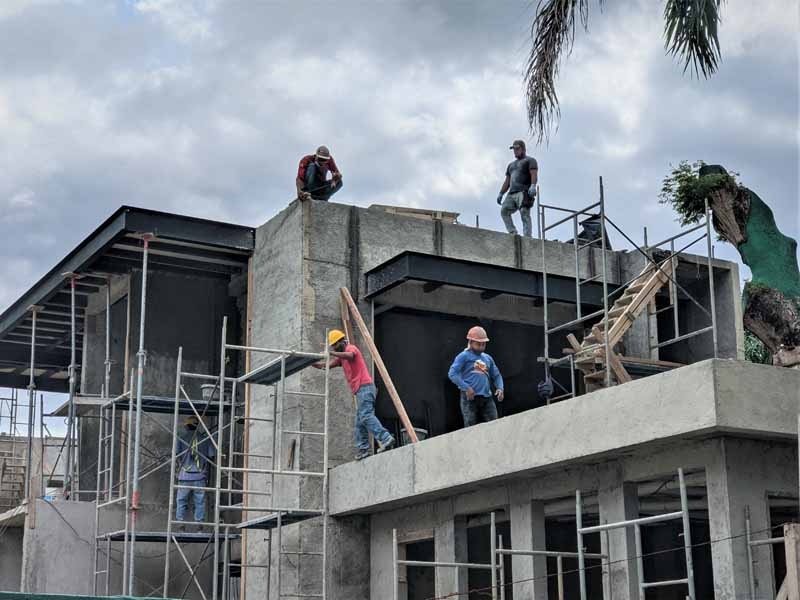
Is Building Right for You—or Is Buying Better?
Before committing to construction, the most important question is not how to build, but whether you should build at all.
Building often makes sense if:
- You want a fully custom design
- You plan to live in Costa Rica long term
- You already own—or plan to buy—suitable land
- You are comfortable managing a long process
- You can be on-site or have trusted oversight
Buying an existing home often makes more sense if:
- You want immediate occupancy
- You are relocating on a short timeline
- You are unfamiliar with local systems
- You prefer predictable pricing and timelines
For a direct comparison, see our full guide on buying property in Costa Rica.
Step 1: Choosing the Right Land to Build On
Not all land in Costa Rica is suitable for residential construction—even if it is legally titled.
Key factors to evaluate before purchasing land include:
- Zoning and land-use restrictions
- Legal access to a public road
- Confirmed water availability
- Electricity access
- Topography and soil conditions
- Environmental setbacks and protected areas
Land that appears affordable can become extremely expensive once infrastructure, permitting, and compliance costs are added.
Water: The Most Common Construction Bottleneck
Water availability is often the single biggest obstacle to building.
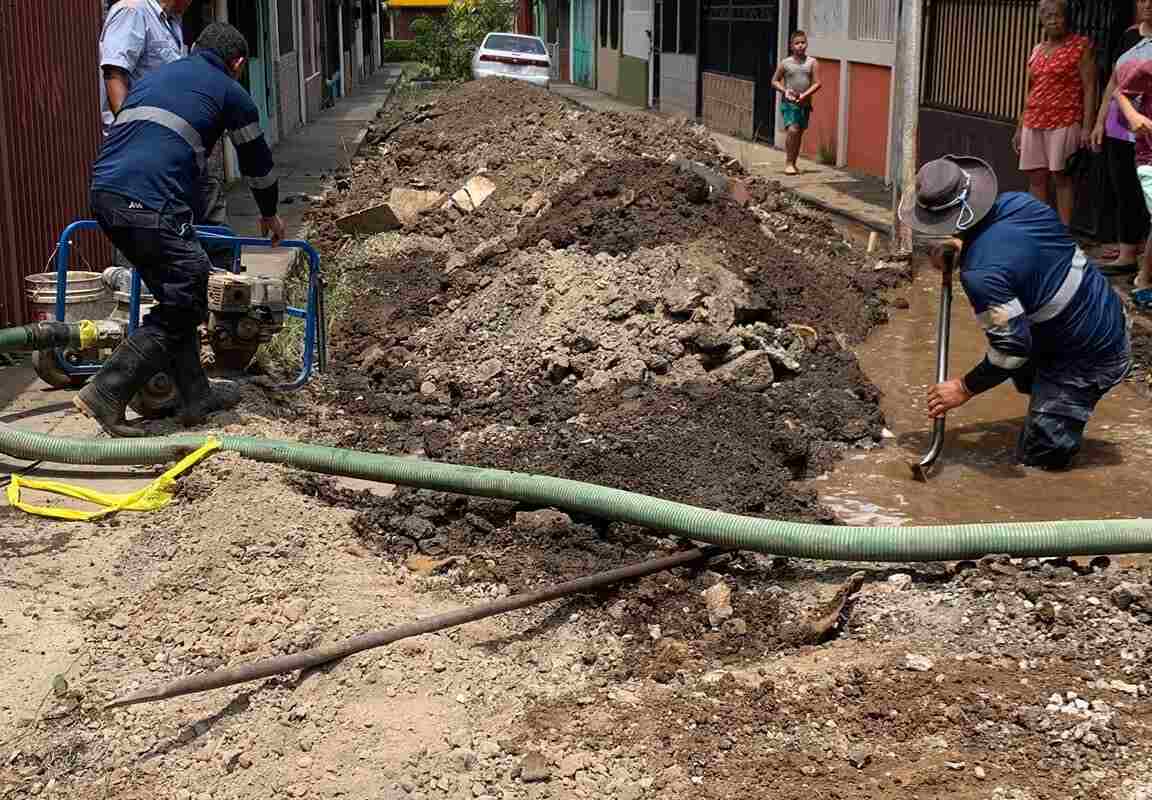
Before purchasing land, confirm:
- A legal gov’t owned or approved water source (municipal, ASADA, or concession)
- A valid water availability letter or approval
- Sufficient capacity for residential use
Without legal water approval, construction permits cannot be issued—even if electricity is available.
Step 2: Permits & Approvals (What Actually Takes Time)
Construction permits in Costa Rica involve multiple agencies, and this is where timelines most often double or triple.
Common approvals include:
- Municipal construction permits
- Architectural and engineering approvals
- Environmental reviews (when applicable)
- Water authorization
- Utility coordination
Even simple homes can take months to clear permitting. Rushing or skipping steps creates serious legal and resale risk.
Step 3: Design & Architectural Planning
Homes in Costa Rica must be designed for Costa Rica—not imported directly from colder or drier climates.
Good designs account for:
- Heavy rain and drainage
- Heat management and natural airflow
- Humidity resistance
- Locally available materials
- Long-term maintenance realities
Over-designed homes often carry higher maintenance costs and experience faster deterioration.
Step 4: Budgeting for Construction (The Real Numbers)
Construction costs vary widely depending on:
- Location
- Material choices
- Design complexity
- Labor availability
- Oversight quality
Foreign buyers often underestimate:
- Permit-related delays
- Material substitutions
- Change orders
- Infrastructure costs
- First-year adjustments
A contingency buffer is not optional—it is essential. For broader relocation budgeting, see the true cost of living in Costa Rica.
Step 5: Hiring the Right Team
The success of a build depends far more on people than on blueprints.
Key roles typically include:
- Architect
- Structural engineer
- Contractor (builder)
- Project manager
- Legal advisor or notary
Many problems arise when one person fills too many roles without independent oversight. It is imperative that you work with a team that can provide multiple verifiable references and, ideally, walk you through a few completed homes they have already built. Seeing finished projects firsthand—and speaking directly with past clients—offers insight into build quality, communication style, and how issues were handled after construction was complete.
The Role of a Project Manager
Contractors in Costa Rica often manage projects informally. For foreign owners, this can be risky.
A dedicated project manager helps with:
- Timeline tracking
- Quality control
- Budget monitoring
- Clear communication
- Problem resolution
This role becomes especially important if you are not living in Costa Rica full-time.
Step 6: Construction Timeline (What’s Realistic)
Construction almost always takes longer than expected.
Common factors affecting timelines include:
- Rainy season interruptions
- Permit delays
- Labor availability
- Material shortages
- Cultural differences around deadlines
A modest home that might take 6–8 months elsewhere can easily take 12–18 months in Costa Rica.
Materials, Imports & Local Substitutions
Many materials are available locally, but not all imported designs translate well.
- Imported materials are expensive and slow
- Local substitutions are common
- Availability fluctuates
- Consistency varies by supplier
Design flexibility reduces frustration and delays.
Quality Control: Where Most Builds Succeed or Fail
Quality control requires presence.
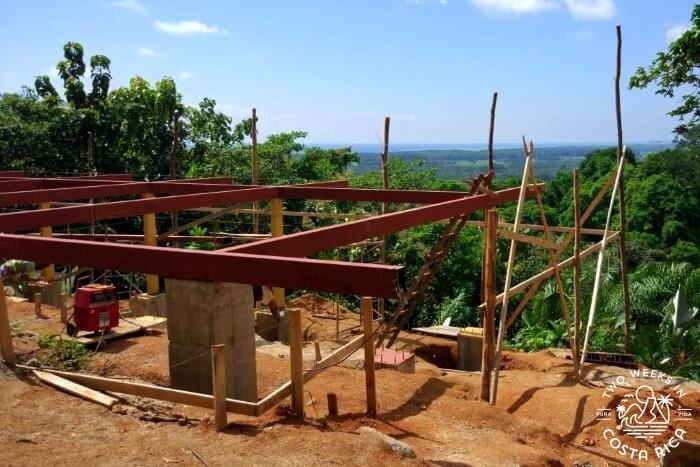
Common issues include:
- Inconsistent finishes
- Waterproofing shortcuts
- Poor drainage
- Electrical inconsistencies
- Improper sealing against humidity
Regular site visits—or trusted third-party oversight—are essential.
Utilities & Infrastructure Setup
Utilities are not always automatic.
You may need to coordinate:
- Electricity connection
- Water meters
- Internet service
- Backup systems such as water tanks or generators
These steps often occur late in construction and can delay occupancy.
Building Through a Corporation vs Personal Name
Your ownership structure can affect permitting, banking, and compliance.
For legal considerations, review Costa Rica corporation and shareholder laws.
Living Through the Build vs Building Remotely
Living near your build allows for better communication, faster decisions, and fewer surprises.
Building remotely increases risk unless you have:
- Trusted representation
- Clear contracts
- Frequent reporting
- Strong budget controls
Common Mistakes Foreign Builders Make
- Buying land without confirmed water
- Underestimating permit timelines
- Over-designing for the climate
- Skipping independent oversight
- Assuming timelines will hold
- Budgeting without contingency
Most regrets trace back to assumptions—not bad intentions.
Frequently Asked Questions
Can foreigners build a home in Costa Rica?
Yes. Foreigners can own land and build without residency.
Do I need to live in Costa Rica to build?
No, but oversight becomes far more important if you don’t.
How long does construction take?
Almost always longer than expected.
Is building risky?
It can be if not properly planned and managed.
Final Thoughts
Building a home in Costa Rica is not about speed or shortcuts—it is about alignment. When expectations, planning, budget, and oversight match local realities, construction can be a deeply satisfying experience.
Approach building as a long-term investment rather than a quick solution, and your chances of success increase dramatically.
Thinking about building in Costa Rica? Our team helps buyers evaluate land, understand zoning, and connect with trusted professionals. Start with our complete moving guide.